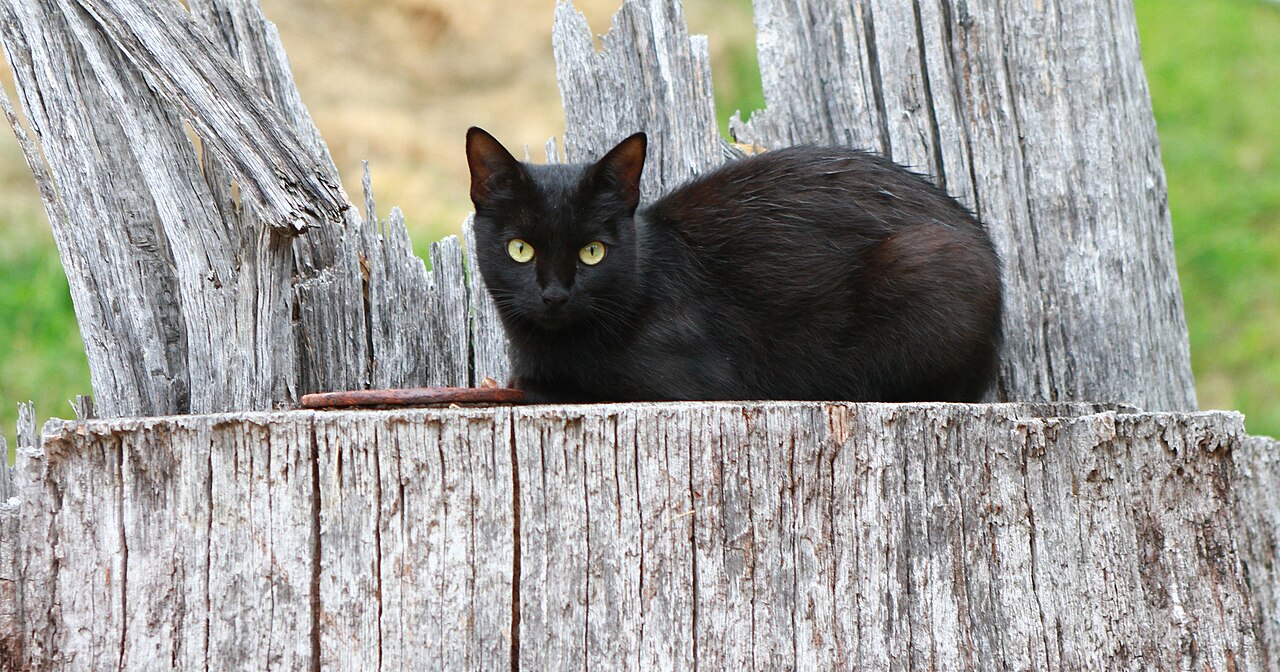
Plating is the art of making food look as if it was placed by someone who cares. It is also the art of hiding mistakes. Today’s lesson covers both.
Principle one: the empty space
A plate should contain more nothing than something. A large white space tells the diner that the food is rare and precious. A plate crammed to the edges tells the diner that you panicked.
Principle two: the smear
Take a spoonful of sauce and drag it across the plate with a confident sweep. Do not hesitate. The smear should look like a decision, not an accident. If it looks like an accident, say it is a metaphor.
Principle three: height
Build upward. A small tower of fish, balanced on a bed of mash, gives the dish a sense of ambition. If it leans, call it rustic. If it falls, call it deconstructed.
Principle four: colour
Add one bright thing. A pea, a slice of lemon, a leaf of herb. Avoid more than three colours. A plate with four colours looks like a mood.
Principle five: the drip
A single drip of oil, placed at the edge, completes the plate. Do not place two. Two drips suggest a leak.
Common faults
- Fingerprints on the rim
- Crumbs near the fish
- Whiskers in the sauce
- Evidence of a tongue
Exercise
Plate one fish fillet in five different ways. Photograph each. Rate them by how much you would pay. Do not, under any circumstances, eat them before the rating.
“Presentation is not everything. But everything is presented.” Professor Simmers
A word to the nervous
If you are anxious, remember that cats are the best plating critics in the world. We sit at the end of the table, we watch the plate, and we say nothing. If the plate is good, we eat it. If it is bad, we eat it anyway.
Next week we will study the garnish, which is the most dishonest ingredient in the kitchen.
No Responses