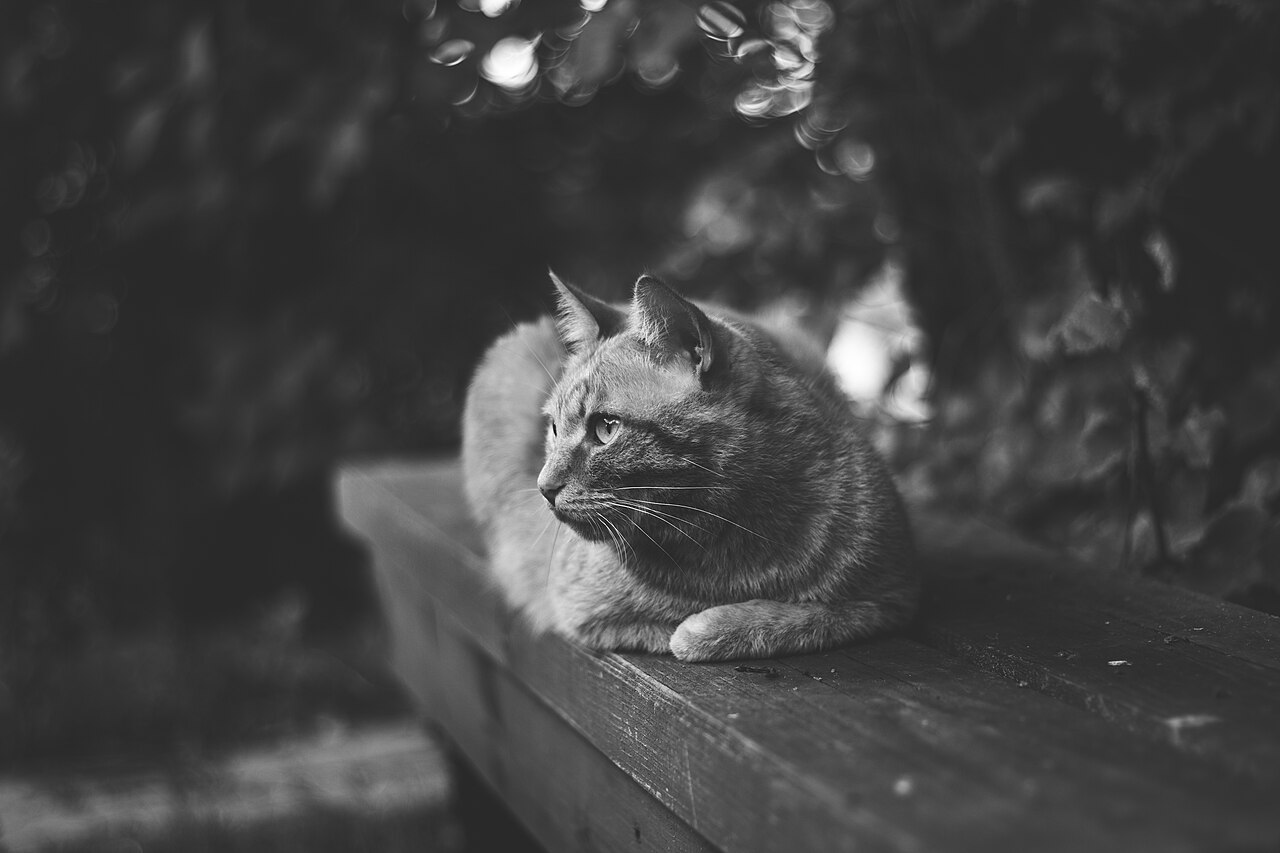
Whisking is the foundation of the culinary arts. It is also the quickest route to a ruined apron. In today’s lesson, we will learn to whisk with control, using the Kitty Kitchen Method.
The grip
Hold the whisk in your dominant paw, with the handle between your pads. Do not grip too tightly. A tight grip makes the eggs nervous. A loose grip makes the whisk fly out and hit Pancake, who sits behind you.
The bowl
Choose a deep bowl. A shallow bowl is an invitation to drama. Place a damp cloth beneath it to keep it steady, as a bowl that moves is a bowl that has plans.
The motion
Whisk in small, quick circles, keeping the movement in the wrist and not in the shoulder or, as some students prefer, the entire body. If you notice you are whisking with your tail, please stop.
Common mistakes
- Whisking too fast, which ends with eggs on the clock
- Whisking too slow, which ends with a nap
- Whisking while looking at the bird outside, which ends with eggs on the bird
- Whisking the bowl instead of the eggs
- Eating the eggs mid way, which is not a mistake but is marked as one
A story from last term
A student named Tarragon whisked so energetically that he rose from the floor and rotated gently in the air. Witnesses report that his expression was serene. The eggs were perfectly aerated. He was not.
Do not whisk with anger. Whisk with intent, and a clean apron.
Exercise
Prepare three bowls: one with eggs, one with cream, one with a shoe. Whisk each for ninety seconds. Note the differences. Discuss with your neighbour. Do not whisk your neighbour.
Homework
Make an omelette. It may be any shape. It may not be a pancake. If it is a pancake, you have failed, and you may keep it.
Next week we will study sauces, which are like eggs, but angrier.
No Responses